



Sale
Original price was: ₹14,999.00.₹9,999.00Current price is: ₹9,999.00.


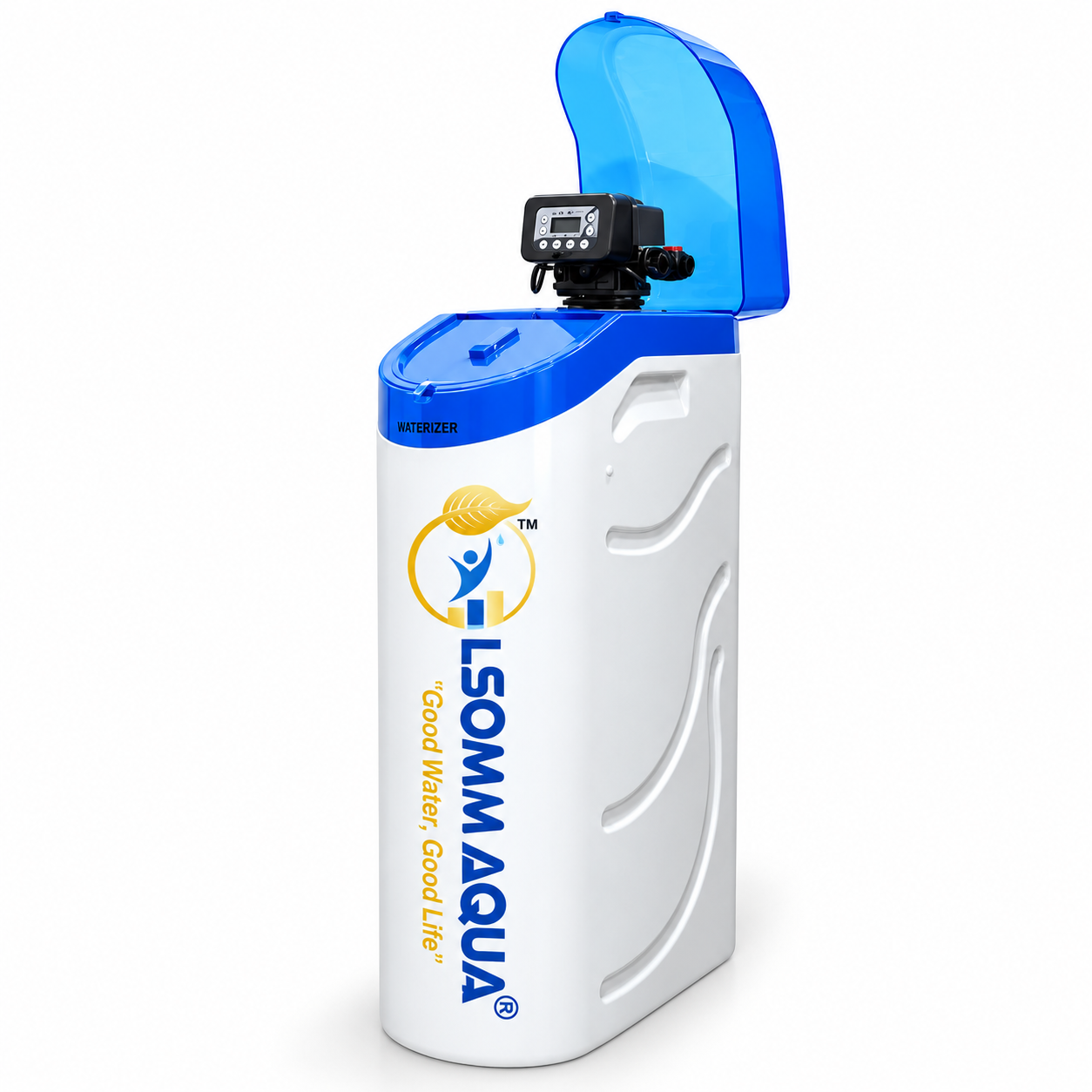
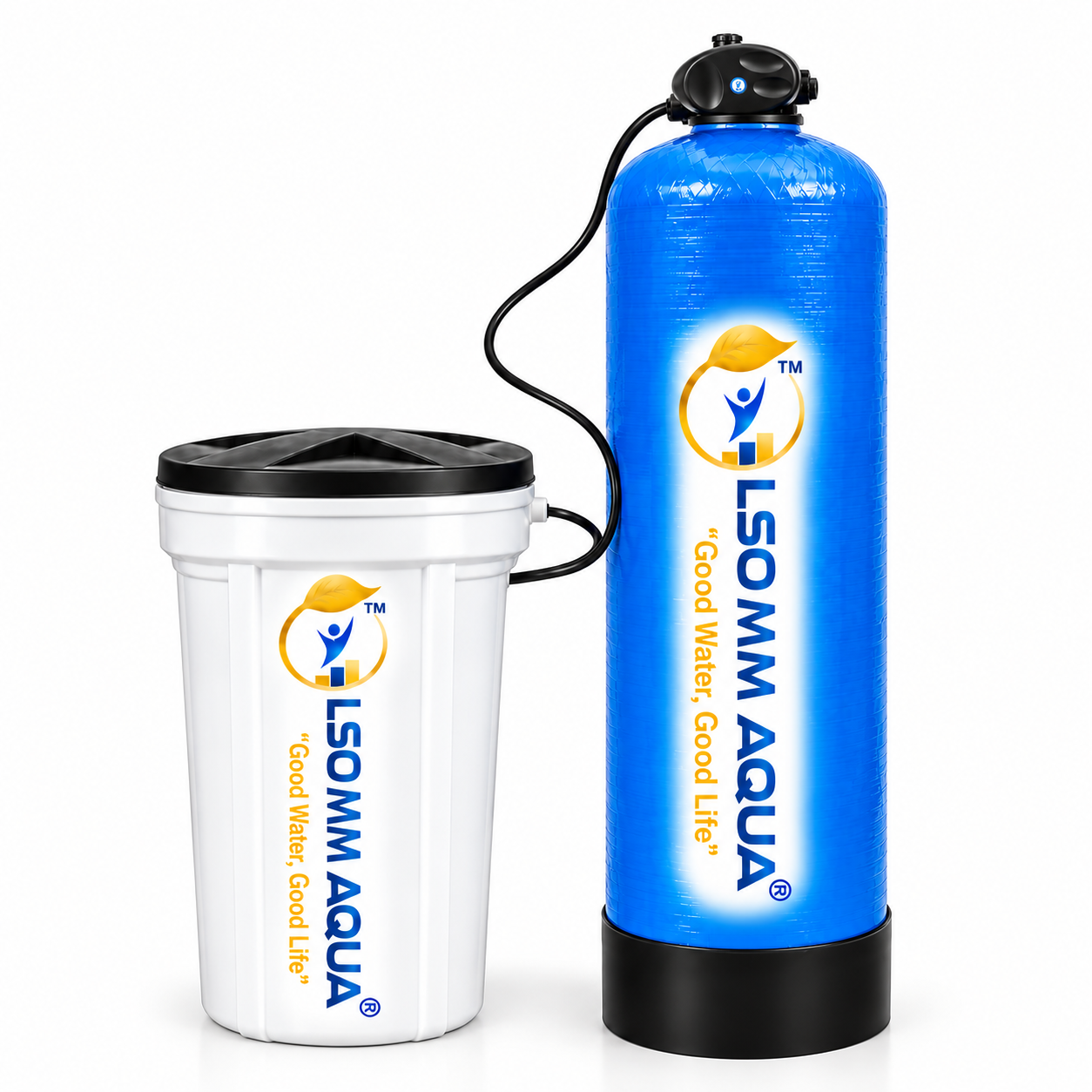
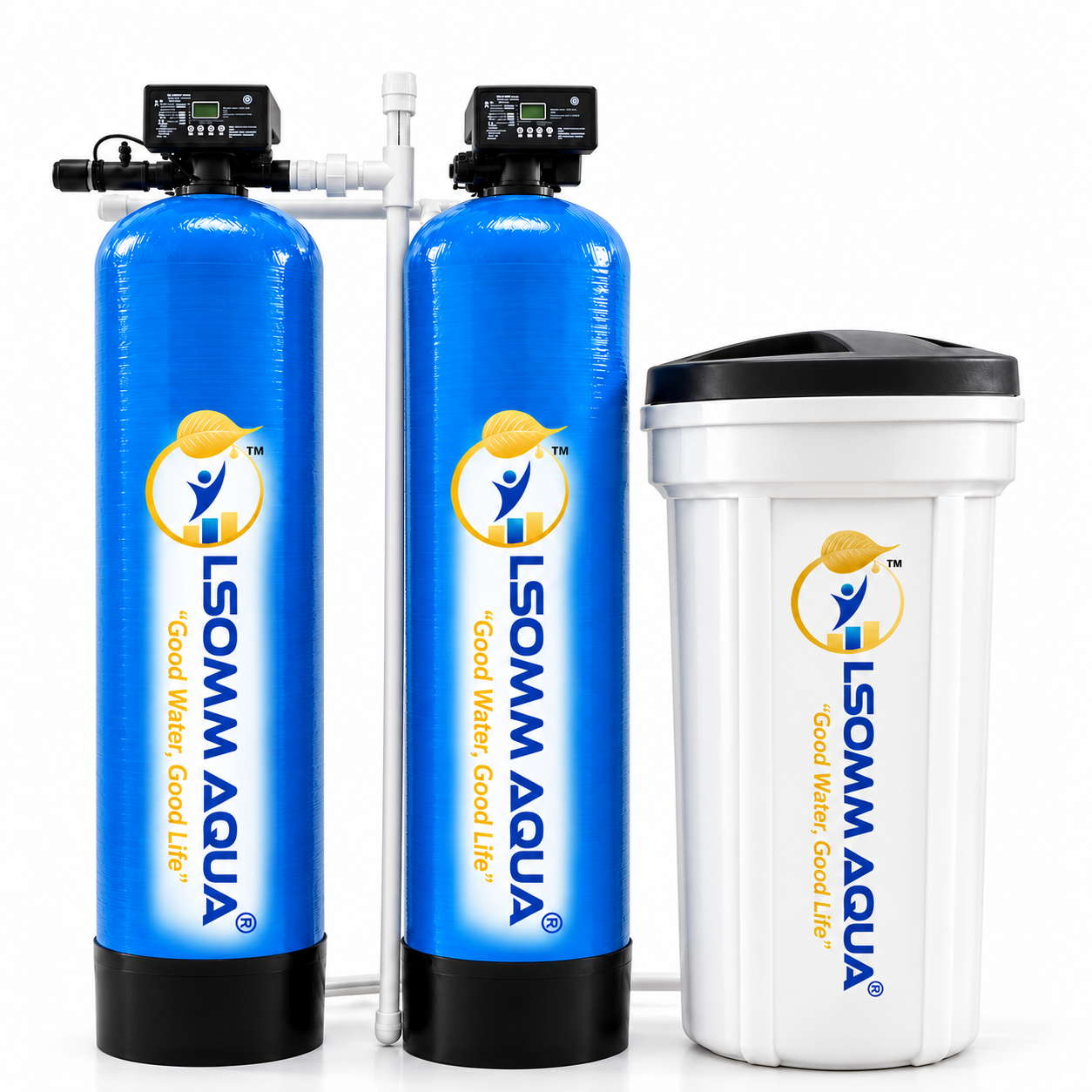
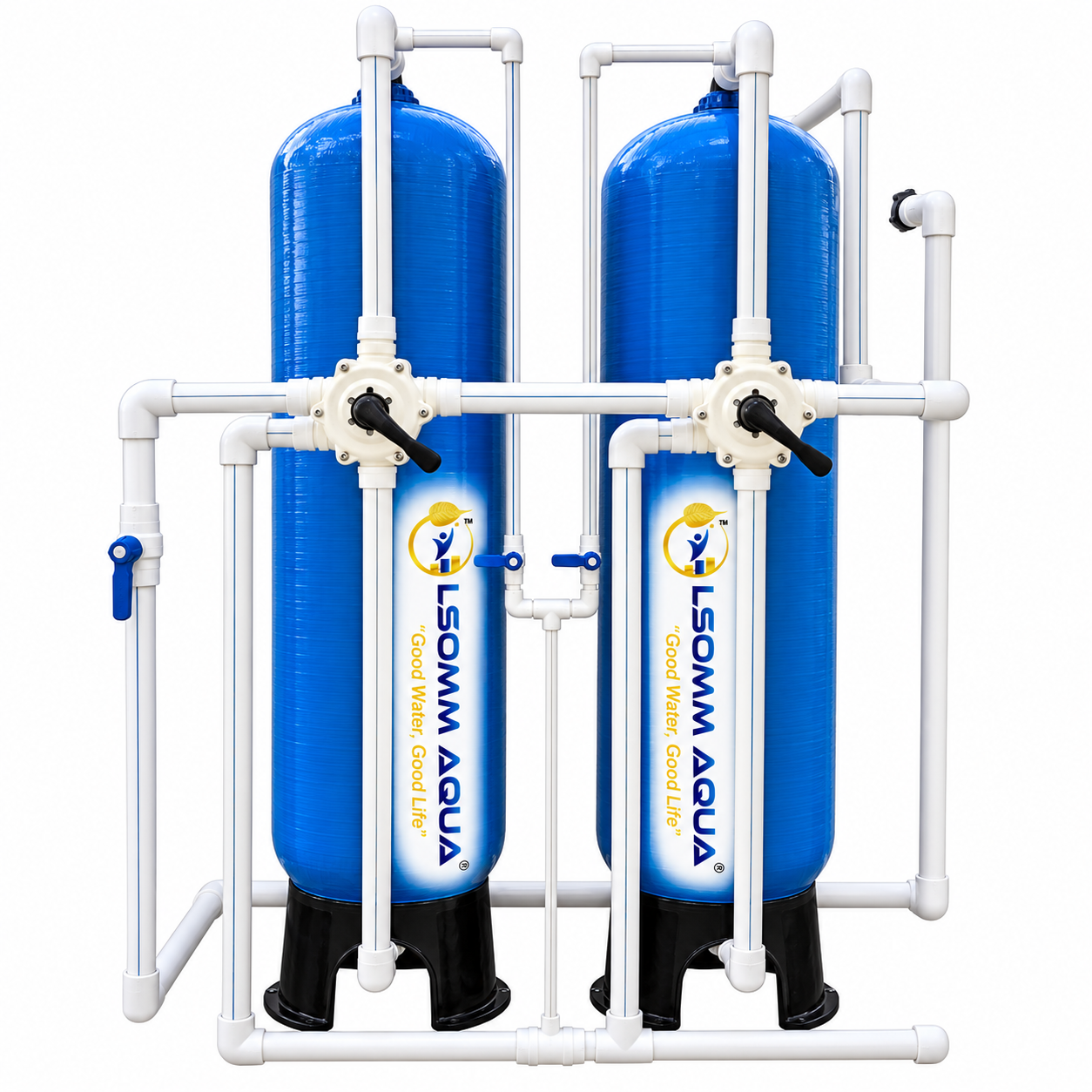
Incorporation took place in 2010. We at LSOMM Aqua Solutions are a manufacturer, supplier, and service provider of industrial water softeners, water treatment plants (WTP), domestic and commercial water softeners that use ion exchange technology and salt recharge, as well as industrial equipment that can reduce hardness by up to 90% to 95%. We provide the best hard water softener in pune. Our Organizations supported by Research & Development professional who are involved in conducting the survey in the Industrial for latest technological developments, demands and trends.
As the best hard water softener in pune, through stringent surveys, researches and market study we are able to comprehend the diverse requirements of the clients in most effective manner with assistance of their collection information, we supplying and manufacture the entire product range. Being the top hard water softener in pune and a client-centric firm, rendering at most client satisfaction is the prime motive of our firm. We are proud to introduce ourselves amongst the most famous organization that provide hard water softener in pune across the boundaries. Outing to our ethical business dealings and transparent monetary transactions, we are able to fetch vast
clientele across the nation.

The goal of a plumbing business should be to provide excellent customer service and exceed customer of expectations This can include.Lsomm Aqua Solutions provides compact Water Softener for Apartment in Pune that easily fits into limited spaces and delivers high performance with low maintenance.Enjoy silky-soft water in your daily showers with our efficient Water Softener for Bathroom in Pune.
EXCELLENTTrustindex verifies that the original source of the review is Google. Excellent service and installationPosted on GoogleTrustindex verifies that the original source of the review is Google. Good servicePosted on GoogleTrustindex verifies that the original source of the review is Google. Good experience with the product and service. Timely installation and great product, I can see immediate effects of the soft water. ThanksPosted on GoogleTrustindex verifies that the original source of the review is Google. Very good and prompt servicePosted on GoogleTrustindex verifies that the original source of the review is Google. The service is very good. And the work is also very professional and neat. Thank you so much.Posted on GoogleTrustindex verifies that the original source of the review is Google. Best softner service we had from lsommPosted on GoogleTrustindex verifies that the original source of the review is Google. I have installed 1500 LPH automatic water softener. I am extremely happy with the service and explanation given my Mr. Ganesh.Posted on GoogleTrustindex verifies that the original source of the review is Google. Extremely happy with the LSOMM Aqua 1500 LPH Automatic Water Softener installation. A huge thanks to Mr. Ganesh for his professional and seamless setup. The product is working perfectly for our full house water needs. Highly recommended for anyone looking for hassle-free water solutions.Posted on GoogleTrustindex verifies that the original source of the review is Google. Installed a water softener for my whole house and the results are amazing. Got instant soft water in all the taps. Ganesh is very kind and helpfulPosted on GoogleTrustindex verifies that the original source of the review is Google. We recently installed a water softener system from LSOM in our society, and the results have been excellent. Earlier, residents were facing common hard water problems such as scaling on bathroom fittings, stains on tiles, roughness in clothes after washing, and dryness on skin and hair. After installing the LSOM water softener, the water quality has improved significantly across the entire society. The installation process was smooth and professionally handled by the LSOM team. They explained the system clearly, completed the setup on time, and ensured that the system was functioning properly before handover. Their team was cooperative and responsive throughout the process. Since the installation, we have noticed a visible reduction in scaling on taps, showers, and pipelines. Residents have also reported softer water for bathing and better results in laundry and cleaning. The system is operating efficiently and has improved the overall water quality for all flats in the society. We appreciate the reliable service and quality product provided by LSOM. It has been a valuable upgrade for our society’s water system, and we would definitely recommend LSOM water softeners to other residential societies facing hard water issues.
Hard water leaves scale on fixtures, ruins appliances, and makes soap less effective. An automatic water softener system solves these problems by continuously treating water as it enters your home.
An automatic water softener system is a whole-house unit that removes calcium and magnesium through ion exchange. Resin beads capture hardness minerals and release sodium or potassium ions. The system regenerates on its own using salt brine, so you get consistent soft water with almost no daily effort.
An automatic water softener system is a residential or light-commercial device that softens hard water without requiring you to start regeneration cycles by hand. It sits on the main water line, usually near the point of entry, and treats every drop that flows into the house.
Hard water contains dissolved calcium and magnesium. These minerals form scale inside pipes and appliances. They also react with soap to create scum. Soft water lacks those minerals, so it lathers better and leaves fewer deposits.
The core technology is ion exchange. A tank filled with resin beads holds sodium or potassium ions. As hard water passes through, the beads trade those ions for calcium and magnesium. Softened water then continues to your taps, showers, and appliances.
Modern units handle the entire process automatically. A control valve monitors usage or time and triggers regeneration when the resin needs cleaning. You only add salt periodically and perform occasional checks.
The process is straightforward once you understand the two main phases: service and regeneration.
Hard water enters the mineral tank from the top. It flows downward through a bed of tiny polystyrene resin beads. Each bead carries a negative charge and is coated with positively charged sodium or potassium ions.
Calcium and magnesium ions have a stronger positive charge. They stick to the beads and displace the sodium or potassium, which enter the water stream. Soft water exits the bottom of the tank and travels through your plumbing.
This exchange continues until the resin beads become saturated with hardness minerals. At that point the unit can no longer soften effectively.
An automatic water softener system detects when capacity is low. Demand-initiated models use a water meter. Timer models use a clock. When triggered, the control valve starts a multi-step cycle:
A typical regeneration lasts 60 to 90 minutes and uses 20 to 60 gallons of water plus several pounds of salt. Most systems schedule it overnight so soft water remains available during the day.
Twin-tank or dual-tank models keep one tank in service while the other regenerates. This provides continuous soft water, useful for larger households or commercial settings.
Not every system works the same way. Choosing the right type depends on your water hardness, household size, and preferences.
These are the true softeners. They physically remove calcium and magnesium. Most residential automatic water softener system units fall into this category. They deliver the classic “slippery” soft water feel and maximum scale prevention.
These measure actual water use and regenerate only when the resin is nearly exhausted. They use less salt and water than older time-clock models. Industry data shows savings of 30–50 percent in many homes.
They regenerate on a fixed schedule regardless of usage. Simple and reliable, but less efficient if water demand varies.
Two resin tanks alternate. One softens while the other regenerates. Ideal for homes that cannot tolerate even short periods of hard water.
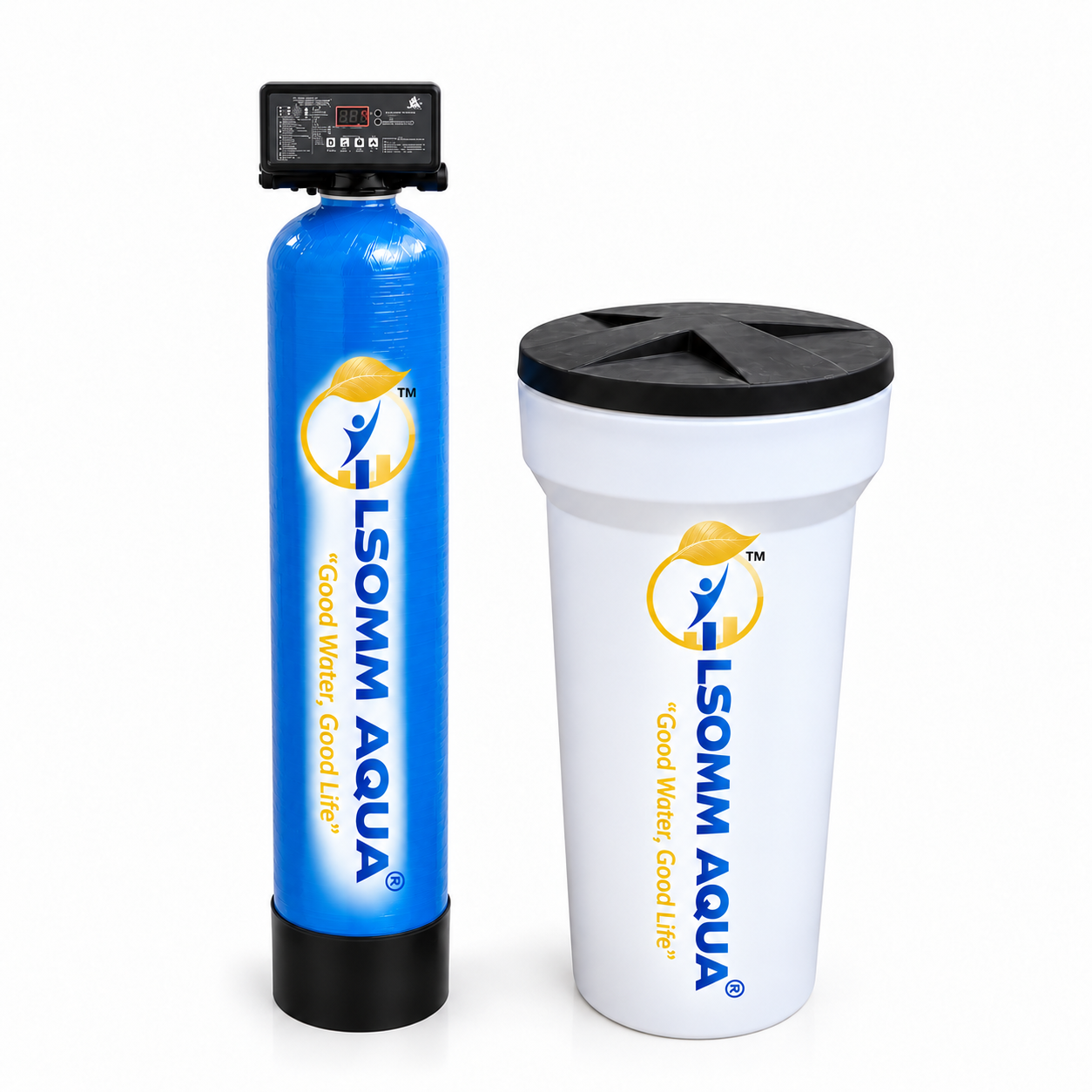
Cabinet models place the resin tank inside the brine tank for a smaller footprint. Two-tank designs keep them separate and often hold more salt.
Salt-free conditioners exist but do not remove hardness minerals. They change the crystal structure so scale is less likely to stick. They are not true automatic water softener system units and perform differently under high hardness.
Homeowners notice improvements quickly after installation.
A typical family can recover the cost of a quality system through reduced detergent, energy, and appliance replacement expenses within a few years.
No system is perfect. An automatic water softener system adds a small amount of sodium to the water—usually 7.5 to 75 mg per quart depending on original hardness. Most people do not notice the taste. Those on strict low-sodium diets often install a reverse-osmosis unit at the kitchen sink for drinking water.
Regeneration uses water and sends brine to the drain. Some municipalities restrict salt discharge. In those areas a potassium chloride regenerant or a salt-free alternative may be required.
The system needs floor space, a nearby drain, and electricity for the control valve. Installation by a qualified plumber is recommended for best results.
Resin lasts 10–20 years under normal conditions but can degrade faster with high chlorine or iron levels. Pre-filtration helps protect it.
A water softener plant usually refers to larger industrial or commercial installations. These systems handle hundreds or thousands of gallons per hour for factories, hotels, or municipal treatment. They often use multiple tanks, more sophisticated controls, and continuous monitoring.
A domestic water softener system or hard water softener system is sized for household use—typically 24,000 to 80,000 grain capacity. It is compact, fully automatic, and designed for intermittent residential flow rates of 5–20 gallons per minute.
The chemistry is the same. The difference lies in scale, control complexity, and service requirements. Homeowners almost always choose a residential automatic water softener system rather than industrial plant equipment.
Undersizing is one of the most common mistakes. Follow these steps:
Manufacturers publish charts. A professional water test and sizing calculation remain the safest route.
Most units install on the main cold-water line after the shutoff valve but before the water heater. A bypass valve is essential so you can isolate the softener for service without shutting off the whole house.
The brine tank needs a nearby drain for the regeneration discharge. Electrical power is required for the control head. Level flooring and adequate clearance for salt bags complete the requirements.
DIY installation is possible for experienced homeowners, but professional installation ensures correct settings, proper bypass configuration, and warranty validity. Many suppliers offer installation packages.
After installation the system is programmed with hardness level, water hardness compensation for iron if present, and household size. The first regeneration fills the brine tank and prepares the resin.
An automatic water softener system is low-maintenance but not zero-maintenance.
Keep a log of salt purchases and regeneration dates. Sudden increases in salt use often signal a leak, incorrect settings, or resin problems.
Pro Tip from the Field
If your water contains more than 2–3 ppm of iron, install a dedicated iron filter ahead of the softener. Iron fouls resin quickly and reduces capacity. A simple sediment pre-filter also protects the valve from dirt and extends service life. This combination is standard practice for well-water homes and prevents the most frequent service calls.
Avoiding these errors keeps the system efficient and the warranty intact.
Entry-level residential systems start around $400–$700 for basic metered units. Mid-range models with better valves and larger capacity run $800–$1,600. Premium smart systems with app control and lifetime tank warranties reach $1,500–$2,500 before installation.
Professional installation typically adds $300–$800 depending on plumbing complexity. Annual salt cost for a family of four is usually $50–$150.
Savings appear in lower detergent use, longer appliance life, reduced energy consumption, and less frequent plumbing repairs. Many households see payback within three to seven years.
Match capacity to your calculated daily hardness load. Prefer demand-initiated regeneration for efficiency. Look for NSF/ANSI 44 certification when available. Consider twin-tank designs only if continuous soft water is critical.
For well water, evaluate iron, manganese, and pH first. City water users mainly focus on hardness and chlorine resistance of the resin.
Read recent owner reviews for reliability of the control valve—the most common failure point. Brands with readily available replacement parts and local service support reduce long-term risk.
1. How often does an automatic water softener system regenerate?
Most residential units regenerate every 3–7 days depending on water hardness and household usage. Demand-initiated models adjust automatically.
2. Can I drink water from an automatic water softener system?
Yes. The added sodium is usually low. People on sodium-restricted diets often use a reverse-osmosis system for drinking water.
3. How much salt does a typical system use?
A family of four often uses 6–12 pounds per regeneration. Efficient metered units keep annual consumption moderate.
4. What is the difference between a timer and a metered softener?
Timer units regenerate on a fixed schedule. Metered units measure actual water use and regenerate only when needed, saving salt and water.
5. Does soft water feel slippery?
Yes. Soft water rinses soap completely, leaving a smooth feel on skin. This is normal and not a coating of residue.
6. Can an automatic water softener system remove iron?
It can handle low levels of clear-water iron (usually under 3–5 ppm). Higher iron requires a dedicated iron filter upstream.
7. How long does the resin last?
Under normal municipal water conditions resin lasts 10–20 years. High chlorine or iron shortens life.
8. Is a fully automatic water softener better than a manual one?
For most homes yes. Fully automatic models eliminate the need to start regeneration cycles and reduce the chance of running out of soft water.
9. Will a water softener help with dry skin?
Many users report improvement because soft water rinses soap more thoroughly and leaves less mineral residue on skin.
10. Do I need a softener if my water hardness is only 5–7 gpg?
At that level the benefits are milder. Scale still forms slowly, and some households still choose a system for comfort and appliance protection.
11. Can I install an automatic water softener system myself?
Experienced DIYers can, but professional installation ensures correct plumbing, programming, and warranty coverage.
12. What happens during a power outage?
Most modern valves retain settings. Some older units may need reprogramming. Soft water continues until the resin is exhausted; regeneration simply waits until power returns.
An automatic water softener system delivers consistent soft water, protects your home’s plumbing and appliances, and reduces daily cleaning effort. The key to success is accurate sizing, proper installation, and basic ongoing maintenance.
Start by testing your water hardness. Calculate daily demand. Compare demand-initiated models in the capacity range that matches your household. Decide whether continuous soft water (twin-tank) is worth the extra cost.
Once installed, keep the salt topped up and check the system a few times a year. You will notice clearer dishes, softer laundry, longer-lasting water heaters, and less time spent scrubbing fixtures.
If your water also contains chlorine, sediment, or iron, pair the softener with appropriate pre-treatment for best results. A well-chosen automatic water softener system becomes one of the quietest, most useful upgrades in a hard-water home.
WhatsApp us
Get the right water purification solution for your home or office.